

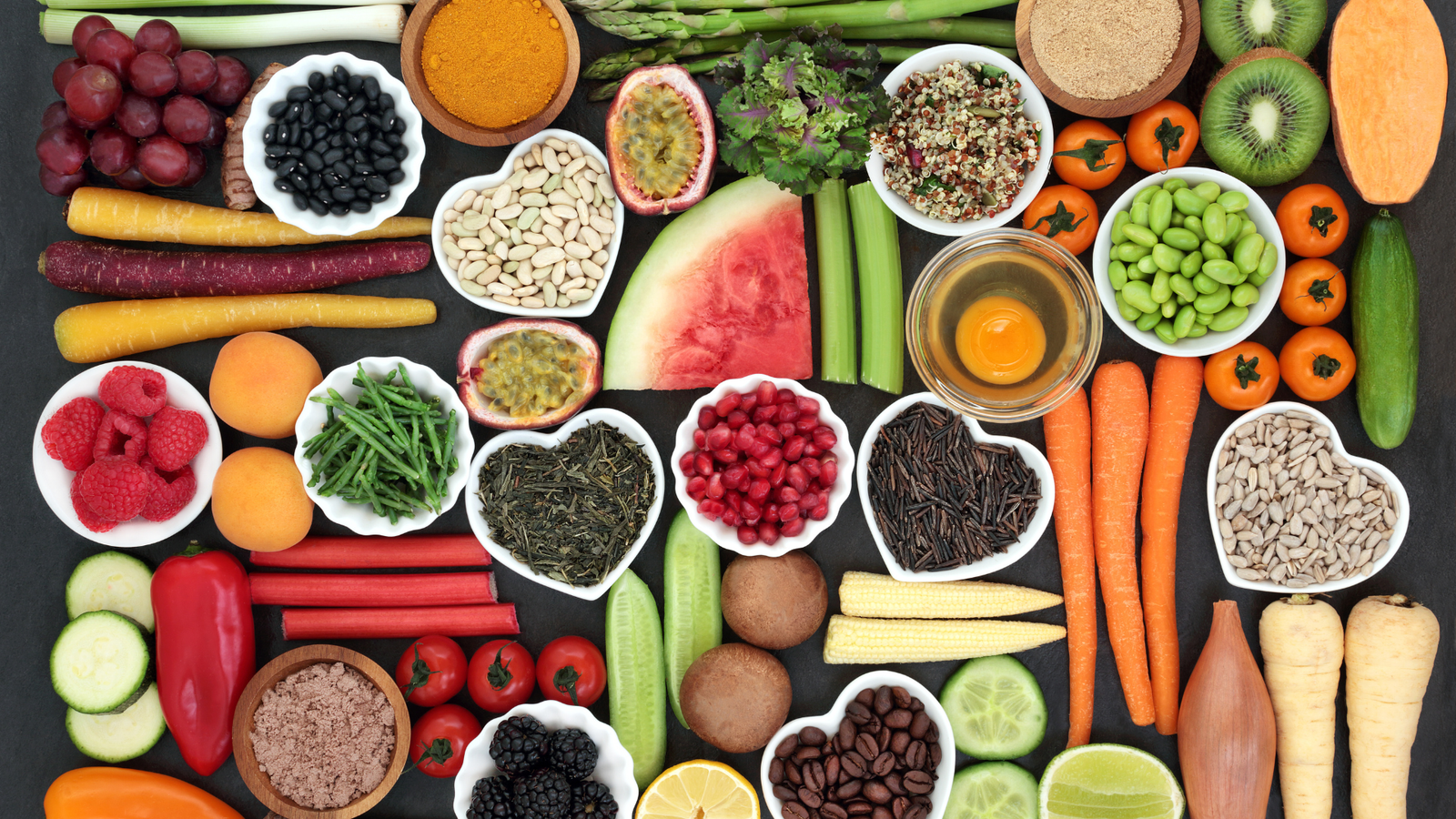
Why Fresh Ingredients Matter in Ready-to-Eat Food Production When consumers choose ready-to-eat food, they expect more than convenience. They want meals that look appealing, taste fresh, and provide the quality they expect from carefully prepared food.
Behind every successful ready-to-eat product is an important factor that can influence all of these expectations: the quality of the ingredients.
Fresh and carefully selected ingredients can have a significant impact on taste, texture, appearance, nutritional value, and overall customer satisfaction. For food businesses, investing in ingredient quality is therefore not simply a production decision. It is an important part of creating products that consumers want to purchase again.
What Makes an Ingredient High Quality?
Ingredient quality begins long before food reaches the customer.
Food businesses need to consider factors such as:
- Freshness
- Quality and consistency
- Proper sourcing
- Storage conditions
- Handling procedures
- Seasonal availability
- Supplier reliability
- Product specifications
Selecting the right ingredients helps establish a strong foundation for the entire production process.
When ingredients are consistent and properly handled, food production teams can achieve more reliable results from one batch to another.
Freshness Influences Taste
Taste is one of the most important factors influencing food choices.
Fresh vegetables, fruits, herbs, proteins, and other ingredients can contribute to better flavor and texture when they are properly selected and prepared.
For ready-to-eat meals, this is particularly important because the consumer experiences the product almost immediately after purchasing it.
A meal may have excellent packaging and an attractive presentation, but if the taste does not meet expectations, the customer may be unlikely to purchase it again.
Quality ingredients help food businesses create products that deliver a more enjoyable eating experience.
Appearance Matters Too
Consumers often make their first judgment about food before tasting it.
Color, texture, arrangement, and overall appearance can influence how fresh and appetizing a product looks.
Fresh ingredients can help create visually appealing meals that attract attention in retail environments.
For example, vibrant vegetables, fresh herbs, and well-prepared proteins can contribute to a meal that looks more appetizing.
This is particularly valuable for ready-to-eat food displayed in refrigerated sections, grab-and-go areas, supermarkets, and other retail environments.
Fresh Ingredients and Nutritional Quality
Consumers are increasingly interested in the nutritional value of the food they purchase.
Fresh ingredients can form the foundation of balanced meals that provide a combination of proteins, vegetables, carbohydrates, healthy fats, vitamins, and minerals.
For food brands targeting health-conscious consumers, ingredient selection becomes an important part of product development.
However, nutrition should not come at the expense of taste.
The strongest ready-to-eat products aim to combine nutritional value, flavor, convenience, and quality in one solution.
The Importance of Reliable Suppliers
Consistent ingredient quality depends heavily on reliable suppliers.
Food businesses need suppliers who can provide ingredients that meet agreed specifications and quality standards.
Supplier relationships can influence:
- Ingredient availability
- Product consistency
- Delivery schedules
- Quality control
- Cost management
- Production planning
A reliable supply chain allows food businesses to plan production more effectively and maintain consistent product standards.
This becomes increasingly important as production volumes grow.
Proper Storage Protects Ingredient Quality
Even high-quality ingredients can lose their value if they are not stored correctly.
Temperature, humidity, packaging, handling, and storage duration can all affect food quality.
Fresh ingredients require appropriate storage conditions to help maintain their freshness and protect them from unnecessary deterioration.
For ready-to-eat food production, proper storage is particularly important because ingredients may move through several stages before reaching the consumer.
Effective storage procedures help maintain quality throughout the process.
From Ingredient to Finished Product
The quality of the final product depends on more than the individual ingredients.
Preparation methods, cooking processes, portioning, packaging, storage, and transportation all contribute to the final customer experience.
This means food production should be viewed as a complete process.
For example:
Quality Ingredients → Careful Preparation → Safe Handling → Proper Packaging → Reliable Distribution → Satisfied Customer
Each stage has an important role to play.
If one part of the process is not managed properly, it can affect the quality of the final product.
Consistency Is Essential for Food Brands
Customers expect the products they purchase today to deliver a similar experience the next time they buy them.
This makes consistency a key challenge for food businesses.
Ingredient quality can vary naturally, particularly when products are sourced from different suppliers or during different seasons.
Food production teams therefore need effective quality control procedures to maintain consistency.
Standardized recipes, ingredient specifications, preparation processes, and quality checks can help ensure that products meet the expected standards.
Seasonal Ingredients and Product Development
Seasonality can influence ingredient availability, quality, and pricing.
For food brands, understanding seasonal changes can help support better product planning.
Seasonal ingredients can also provide opportunities to introduce new flavors or limited-time products.
For example, brands may develop special meals, salads, desserts, or beverages based on ingredients that are particularly suitable during certain periods of the year.
This can create variety while keeping product offerings fresh and interesting.
Fresh Ingredients and Ready-to-Eat Meals
Ready-to-eat food presents a unique challenge.
Consumers want the convenience of a prepared meal without feeling that they are compromising on freshness.
Food businesses therefore need to carefully manage the time between ingredient preparation, production, packaging, distribution, and consumption.
Efficient processes can help maintain the desired quality throughout the product journey.
This is one of the reasons why professional food production requires careful planning and coordination across multiple stages.
Packaging Plays an Important Role
Packaging is another important element in protecting ready-to-eat food.
The right packaging can help protect the product during storage and transportation while maintaining its presentation.
Packaging should be selected according to the characteristics of the food product.
Businesses may need to consider:
- Product protection
- Temperature requirements
- Shelf-life considerations
- Ease of handling
- Presentation
- Consumer convenience
- Sustainability
The objective is to protect the food while maintaining a positive customer experience.
Food Safety and Ingredient Handling
Fresh ingredients must also be handled responsibly.
Proper food handling procedures help protect consumers and maintain product quality.
Important practices include:
- Appropriate storage
- Temperature control
- Clean preparation areas
- Personal hygiene
- Safe handling procedures
- Cross-contamination prevention
- Regular quality checks
Food safety should be integrated into every stage of production rather than treated as a final step.
For professional food businesses, maintaining strong safety practices is essential for protecting both customers and brand reputation.
Reducing Food Waste
Ingredient quality and efficient planning can also contribute to reducing food waste.
Poor forecasting, overproduction, inappropriate storage, and inefficient preparation can result in unnecessary waste.
Businesses can improve efficiency by carefully planning ingredient quantities according to expected demand.
Proper inventory management can also help teams identify ingredients that need to be used before their quality declines.
Reducing waste can support both sustainability goals and operational efficiency.
The Role of Skilled Food Preparation
High-quality ingredients need skilled preparation to reach their full potential.
Professional food preparation teams understand how different ingredients should be handled, combined, cooked, portioned, and presented.
Attention to detail during preparation can influence the final taste and appearance of the product.
For ready-to-eat food, this level of consistency is especially important because the consumer expects the finished meal to be ready to enjoy.
Building Consumer Trust Through Quality
Consumers notice when a food product consistently delivers a good experience.
When a brand provides meals that taste fresh, look appealing, and meet expectations, customers are more likely to develop confidence in that brand.
Over time, this confidence can become an important competitive advantage.
Quality therefore has a long-term impact.
It is not simply about creating one successful meal. It is about creating an experience that consumers are willing to repeat.
Quality Ingredients Support Stronger Brands
A food brand’s reputation is closely connected to the products it delivers.
Marketing can attract a customer to a product, but the actual eating experience determines whether that customer is satisfied.
If the product consistently delivers good taste and quality, marketing efforts become more valuable because consumers have a reason to return.
This creates a strong relationship between product quality and brand reputation.
Meeting the Expectations of UAE Consumers
The UAE is home to a highly diverse consumer market.
People from different backgrounds have different preferences when it comes to flavors, ingredients, cuisines, and meal formats.
At the same time, consumers increasingly expect high standards of quality and convenience.
Food businesses operating in the UAE therefore need to create products that can meet diverse expectations while maintaining consistent quality.
Fresh ingredients can provide a strong foundation for developing meals that appeal to different audiences.
Quality Across Different Food Services
The importance of ingredient quality extends beyond retail ready-to-eat products.
Fresh ingredients are also essential for:
- Corporate catering
- School meals
- Institutional catering
- Hospitality services
- Events
- Food sampling
- Retail food solutions
In each environment, the quality of the ingredients contributes to the final customer experience.
Whether the food is being served at a corporate event or purchased from a retail shelf, consumers expect quality they can see and taste.
Freshness as Part of the Customer Experience
Freshness is not simply a technical characteristic of food.
It is part of the experience consumers have with a product.
A fresh-looking meal, appealing aroma, enjoyable texture, and balanced flavor can all contribute to positive customer perception.
When these elements are combined with convenient packaging and professional presentation, the product becomes much more than a prepared meal.
It becomes a food experience that meets modern consumer expectations.
Why Food Businesses Should Invest in Ingredient Quality
Investing in high-quality ingredients can support businesses in several ways.
It can help improve:
- Product taste
- Visual presentation
- Customer satisfaction
- Brand reputation
- Product consistency
- Consumer trust
- Overall product value
While ingredient quality is only one part of the production process, it provides an essential foundation for everything that follows.
FreshDelish and Quality Food Solutions
At FreshDelish, quality is an important part of delivering food solutions for businesses, retailers, organizations, and consumers.
From ingredient selection and preparation to food safety, packaging, and distribution, every stage contributes to the final product.
Our approach is focused on creating food solutions that combine quality, freshness, convenience, and professional standards.
By paying attention to the details behind every product, food businesses can create experiences that consumers can trust.
Final Thoughts
The quality of ready-to-eat food starts with the ingredients.
Fresh, carefully selected ingredients can influence everything from taste and appearance to nutritional value and customer satisfaction.
However, achieving consistent quality requires more than simply buying fresh ingredients. It requires reliable suppliers, proper storage, skilled preparation, food safety procedures, effective packaging, and efficient distribution.
When all of these elements work together, businesses can deliver ready-to-eat food that meets the expectations of today’s consumers.
For food brands operating in the UAE, investing in ingredient quality is an investment in the product, the customer experience, and the long-term strength of the brand.
Looking for reliable food solutions built around quality and freshness?
👉 Book Now: https://freshdelish.ae/contact/
👉 Message Us: https://wa.me/971505510402