

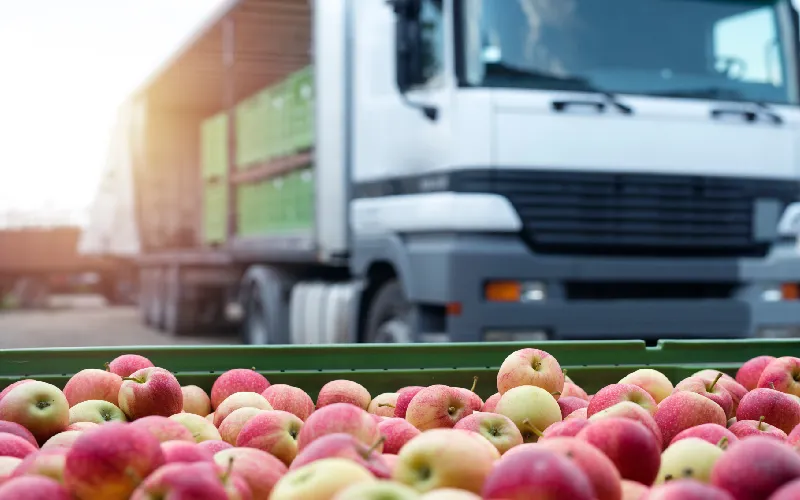
Reaching Diverse Audiences Through Strategic Food Distribution Channels In the modern food industry reaching the right audience is no longer only about creating high quality products. Success also depends on how effectively brands distribute those products across different markets and customer segments. As consumer behavior continues to evolve businesses must adopt smarter and more flexible food distribution strategies that ensure products are available where and when customers need them.
Food distribution channels play a critical role in connecting brands with consumers. From supermarkets and hypermarkets to restaurants institutions online platforms and specialty stores every distribution channel offers unique opportunities for growth and visibility.
Companies that understand how to strategically manage their distribution networks can expand market reach strengthen customer relationships and improve long term profitability.
Table of Contents
ToggleUnderstanding Food Distribution Channels
What Are Food Distribution Channels
Food distribution channels are the systems and pathways used to move food products from manufacturers to consumers. These channels include wholesalers retailers supermarkets convenience stores restaurants institutions e commerce platforms and direct delivery services.
The goal of food distribution is to ensure products are delivered efficiently while maintaining quality freshness and availability.
Why Distribution Matters in the Food Industry
Even the best food products cannot succeed if customers cannot easily find or access them. Distribution determines product visibility market penetration and customer convenience.
Strong distribution strategies help businesses reach larger audiences improve customer satisfaction and increase sales opportunities.
The Importance of Reaching Diverse Audiences
Changing Consumer Demographics
Modern markets are becoming increasingly diverse with consumers having different cultural backgrounds lifestyles preferences and purchasing behaviors.
Food brands must adapt their distribution strategies to meet the needs of these varied audiences.
Expanding Market Opportunities
Reaching diverse audiences allows companies to enter new markets attract different customer groups and reduce dependence on a single sales channel.
This diversification creates stronger business stability and long term growth opportunities.
Meeting Different Consumer Needs
Different customer groups prioritize different factors such as convenience affordability premium quality health conscious products or cultural authenticity.
Strategic distribution ensures products are available in the right locations for the right target audiences.

Key Food Distribution Channels
Supermarkets and Hypermarkets
Supermarkets and hypermarkets remain among the most important food distribution channels due to their large customer base and extensive product variety.
These retail environments offer high visibility and allow brands to reach mass audiences effectively.
Advantages of Retail Distribution
Retail stores provide consistent customer traffic promotional opportunities and strong product exposure.
Products placed in major supermarkets often gain higher credibility and consumer trust.
Convenience Stores
Convenience stores target consumers looking for quick and accessible purchasing experiences.
These stores are ideal for ready to eat meals snacks beverages and everyday essentials.
Restaurants and Food Service Providers
Partnering with restaurants cafes hotels and catering companies allows food brands to expand product reach and strengthen brand awareness.
Food service distribution is particularly valuable for specialty ingredients beverages and premium food products.
Institutional Distribution
Institutions such as schools universities hospitals and corporate offices require reliable food supply solutions.
Supplying institutions provides businesses with stable demand and long term partnerships.
Online Food Distribution
E commerce and online grocery platforms are transforming the food industry by offering greater convenience and accessibility.
Consumers increasingly prefer ordering food products online for home delivery or pickup services.
The Rise of Digital Food Shopping
Online platforms allow brands to reach customers beyond geographic limitations and provide personalized shopping experiences.
Digital distribution channels also offer valuable customer data that helps businesses improve marketing and product strategies.
Strategic Approaches to Food Distribution
Identifying Target Audiences
Successful distribution begins with understanding customer demographics preferences and purchasing habits.
Brands must analyze who their customers are where they shop and how they make buying decisions.
Choosing the Right Channels
Not every distribution channel is suitable for every product. Businesses must select channels that align with product type pricing strategy and customer expectations.
Premium products may perform better in specialty stores while everyday items benefit from mass retail distribution.
Geographic Expansion Strategies
Expanding into new cities regions or countries requires careful planning and market research.
Businesses must consider local demand cultural preferences logistics and competition before entering new markets.
Building Strong Distribution Partnerships
Importance of Retail Relationships
Strong partnerships with retailers distributors and wholesalers improve product placement visibility and market access.
Collaborative relationships also create opportunities for promotions campaigns and long term growth.
Maintaining Reliable Supply Chains
Reliable supply chains are essential for ensuring consistent product availability and customer satisfaction.
Delays shortages or quality issues can damage brand reputation and reduce consumer trust.
Communication and Collaboration
Effective communication between manufacturers distributors and retailers improves operational efficiency and reduces challenges within the distribution process.
The Role of Technology in Food Distribution
Supply Chain Management Systems
Technology helps businesses monitor inventory track shipments and optimize logistics operations.
Modern supply chain systems improve efficiency reduce waste and enhance product availability.
Data Driven Distribution Decisions
Data analytics allows companies to understand customer demand sales trends and market performance.
Businesses can use this information to optimize inventory levels and improve distribution strategies.
Automation and Logistics Innovation
Automation is transforming warehousing transportation and order fulfillment processes.
Innovative logistics solutions help businesses deliver products faster and more efficiently.
Challenges in Food Distribution
Maintaining Product Freshness
Food products often require temperature control and fast delivery to maintain freshness and quality.
Efficient logistics and proper storage solutions are critical for success.
Managing Distribution Costs
Transportation storage and operational expenses can significantly impact profitability.
Businesses must balance efficiency with cost management to maintain competitive pricing.
Adapting to Consumer Trends
Consumer preferences change rapidly and businesses must remain flexible to meet evolving demands.
Health conscious products sustainable packaging and convenience focused solutions are increasingly important.
How Distribution Impacts Brand Visibility
Increasing Product Accessibility
Products that are easily accessible are more likely to be purchased regularly.
Strategic distribution ensures customers can conveniently find products across multiple channels.
Strengthening Brand Recognition
Consistent presence across various retail and digital platforms improves brand visibility and customer familiarity.
Repeated exposure helps build stronger brand recognition and trust.
Supporting Marketing Campaigns
Distribution strategies work closely with marketing efforts to maximize product awareness and engagement.
Promotional campaigns become more effective when products are widely available.
Best Practices for Successful Food Distribution
Understand Market Demand
Businesses should continuously analyze customer behavior and market trends to improve distribution performance.
Focus on Operational Efficiency
Efficient logistics inventory management and supply chain coordination reduce costs and improve customer satisfaction.
Invest in Strong Partnerships
Long term relationships with distributors retailers and suppliers create more stable and successful operations.
Embrace Innovation
Companies that adopt technology and modern logistics solutions gain competitive advantages in the market.
The Future of Food Distribution
Growth of Omnichannel Distribution
Consumers increasingly expect seamless shopping experiences across physical stores online platforms and mobile applications.
Businesses must integrate multiple channels to meet changing expectations.
Sustainable Distribution Practices
Sustainability is becoming a major focus in food logistics and distribution.
Eco friendly transportation packaging reduction and energy efficient operations are shaping the future of the industry.
Personalized Consumer Experiences
Advanced technology and customer data will allow businesses to create more personalized distribution and shopping experiences.
This personalization improves engagement and customer loyalty.
Conclusion
Strategic food distribution channels are essential for reaching diverse audiences expanding market presence and achieving long term business success. In today’s competitive environment brands must go beyond product quality and focus on delivering accessibility convenience and exceptional customer experiences.
By utilizing a combination of retail institutional food service and digital distribution channels businesses can connect with wider audiences and adapt to changing consumer behaviors.
Strong partnerships reliable logistics and technology driven strategies help companies improve efficiency maintain product quality and strengthen brand visibility.
As the food industry continues to evolve businesses that invest in flexible and customer focused distribution strategies will be better positioned to grow build lasting customer relationships and remain competitive in dynamic markets.