

Ready-to-Eat Food Trends Shaping the UAE Market in 2026 Busy lifestyles, rising health awareness, and a growing appetite for convenience have made ready-to-eat food one of the fastest-evolving categories in the UAE’s retail landscape. What was once dominated by simple sandwiches and instant meals has grown into a diverse category shaped by nutrition science, sustainability, and changing shopper expectations.
Why Ready-to-Eat Demand Keeps Growing
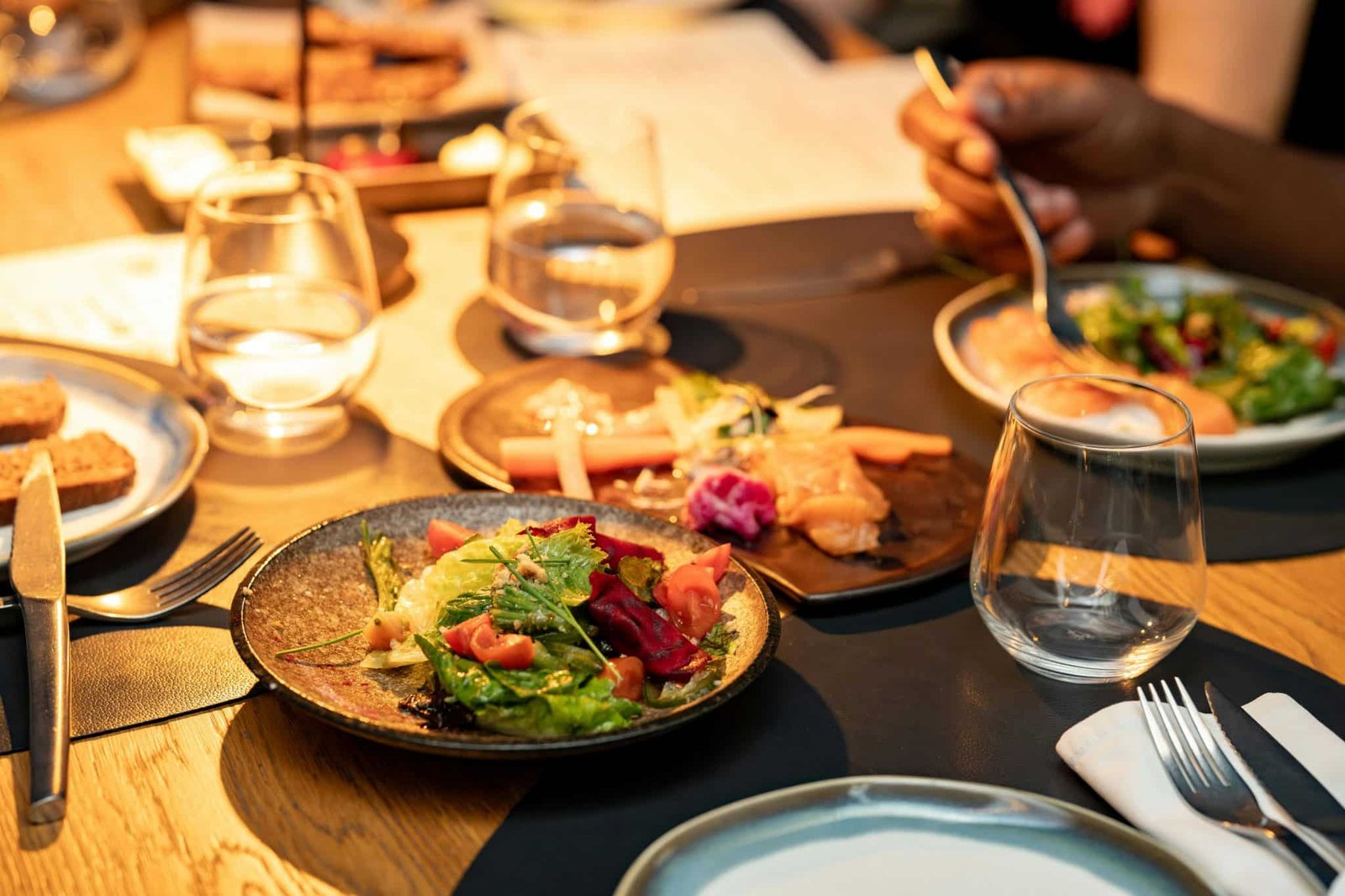
The UAE’s fast-paced urban lifestyle, high rate of dual-income households, and large working population create consistent demand for food that is both quick and genuinely satisfying. Unlike a decade ago, however, convenience alone is no longer enough to win shelf space or repeat purchases.
Shoppers today are comparing ready-to-eat options against home cooking, food delivery apps, and quick-service restaurants all at once. To compete in that crowded landscape, ready-to-eat products need to deliver on taste, nutrition, and value simultaneously, a considerably higher bar than the category faced even a few years ago.
The Shift From Convenience to Quality
Shoppers increasingly expect ready-to-eat meals to taste and feel like something freshly prepared, not a compromise made for the sake of time. This shift has pushed producers to invest heavily in ingredient quality, packaging that preserves freshness, and recipes that hold up well after chilling or reheating.
Key Trends Defining the Category Today
Several clear patterns are shaping how ready-to-eat products are developed, packaged, and marketed across the UAE.
These trends rarely operate in isolation. A product that succeeds in this category today typically combines several of them at once, a healthier recipe, an authentic flavor profile, and packaging that signals both freshness and environmental responsibility, rather than relying on a single point of difference to stand out.
Health-Forward Reformulations
Reduced sodium, lower added sugar, higher protein content, and clean ingredient labels are increasingly standard expectations rather than premium features. Products that clearly communicate nutritional value on-pack tend to outperform those relying on taste claims alone.
Protein-Focused Options on the Rise
Grab-and-go items built around grilled chicken, eggs, legumes, and lean proteins have grown noticeably, driven by fitness-conscious consumers looking for meals that fit structured eating habits without requiring home preparation.
Global Flavors Meeting Local Preferences
The UAE’s multicultural population continues to drive demand for authentic international flavors, from Levantine classics to Asian-inspired bowls, alongside familiar Western options. Successful ready-to-eat ranges increasingly balance broad appeal with genuinely well-executed regional recipes rather than diluted, generic versions.
Portion and Format Innovation
Single-serve formats designed for desk lunches, school snacks, or quick breakfasts continue to expand, alongside larger family-style ready-to-eat options aimed at reducing home cooking time without sacrificing shared mealtime habits.
Sustainability as a Purchase Driver
Packaging is no longer just functional, it is a visible signal of brand values, and UAE shoppers are paying closer attention.
This shift is particularly pronounced among younger shoppers, who often research a brand’s environmental practices before committing to it as a regular purchase, treating packaging choices as a proxy for a company’s broader values and long-term reliability.
Eco-Friendly Packaging Expectations
Recyclable trays, reduced plastic use, and clearer labeling around packaging materials are increasingly influencing purchase decisions, particularly among younger and higher-income shoppers who actively compare brands on sustainability credentials.
Balancing Freshness and Sustainability
Producers face a genuine challenge here: packaging must still protect food safety and shelf life while reducing environmental impact. Brands that solve this balance well are increasingly using it as a core differentiator in marketing and shelf messaging.
Practical Steps Brands Are Taking
Common approaches include switching to recyclable mono-material trays, reducing unnecessary secondary packaging, and clearly labeling disposal instructions so shoppers can participate in recycling with confidence.
Retail Channel Shifts
Where and how consumers buy ready-to-eat food is also changing alongside product innovation.
Even as new channels emerge, the fundamentals of category growth have not changed: a product still needs to be visible, correctly priced, and easy to discover at the right moment, whether that moment happens in a hypermarket aisle or through a delivery app browsing screen.
Hypermarket Chillers Remain Central
Despite growth in delivery apps, hypermarket and supermarket chillers remain the primary discovery point for new ready-to-eat products, making strong in-store merchandising and sampling especially important for launch success.
Workplace and School Channels Expanding
Offices, schools, and government facilities increasingly source ready-to-eat options directly through food service partners, creating a growing B2B channel alongside traditional retail sales.
What This Means for Brands and Retailers
Success in this category increasingly depends on more than recipe development. Strong merchandising, well-timed sampling, and packaging that reflects both freshness and sustainability values all influence whether a new product earns repeat purchases or quietly disappears from shelves.
Producers who invest in getting the recipe right but underinvest in how the product is presented and discovered in-store often find their category performance falls short of what the product itself actually deserved, a gap that good retail execution can close relatively quickly once identified.
Final Thoughts
The UAE’s ready-to-eat food category has matured well beyond simple convenience. Health-conscious reformulation, authentic global flavors, and genuine sustainability commitments are now central to winning shopper trust. Brands and retail partners who stay ahead of these shifts, and who present products well at the point of sale, are best positioned to capture the category’s continued growth through 2026 and beyond.
The brands that succeed longest in this space tend to be the ones that treat product development, packaging, and in-store execution as a single connected strategy, rather than three separate departments working in isolation from each other.
👉 Book Now: https://freshdelish.ae/contact/
👉 Message Us: https://wa.me/971505510402
Comments are closed