

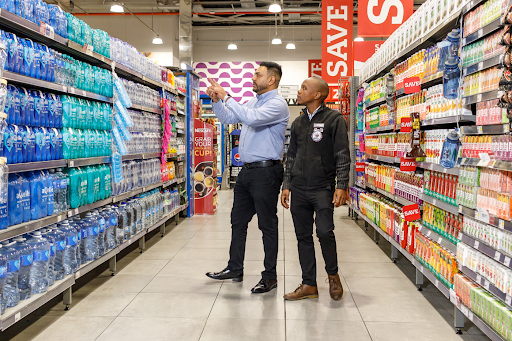
How to Build Strong Partnerships with Hypermarkets and Institutions In today’s competitive business environment strong partnerships with hypermarkets and institutions have become essential for companies looking to expand their reach increase product visibility and achieve long term growth. Hypermarkets institutions schools hospitals corporate organizations and large retail chains offer businesses access to massive customer bases and stable sales opportunities.
Building successful partnerships requires more than simply supplying products. Businesses must demonstrate reliability professionalism consistency and the ability to meet high operational standards. Strong relationships are built on trust communication quality service and long term collaboration.
For food brands distributors and service providers strategic partnerships with hypermarkets and institutions can significantly strengthen market presence improve brand credibility and create sustainable growth opportunities.
Table of Contents
ToggleUnderstanding the Importance of Strategic Partnerships
Why Hypermarkets Matter
Hypermarkets are among the most influential retail channels in modern markets. They attract large numbers of customers daily and provide brands with significant product exposure.
Partnering with major hypermarkets helps businesses increase visibility reach wider audiences and strengthen consumer trust.
The Value of Institutional Partnerships
Institutions such as schools universities hospitals government organizations and corporate offices require consistent and reliable products and services.
These partnerships often lead to long term contracts stable revenue streams and predictable demand.
Building Long Term Business Stability
Working with established retailers and institutions helps companies create more stable business operations by reducing reliance on short term sales opportunities.
Long term partnerships provide continuous growth and stronger market positioning.
Understanding Hypermarket Requirements
High Standards and Expectations
Hypermarkets operate with strict quality operational and logistical standards. Suppliers must consistently deliver products on time while maintaining high quality levels.
Businesses that fail to meet these expectations risk losing valuable partnerships.
Product Availability and Consistency
Retailers expect suppliers to maintain consistent stock levels and avoid shortages that may affect customer satisfaction.
Reliable inventory management and strong supply chain systems are critical for success.
Competitive Pricing Strategies
Hypermarkets focus heavily on pricing competitiveness. Businesses must balance affordability with profitability while maintaining product quality.
Offering value without compromising standards strengthens supplier relationships.

Steps to Build Strong Hypermarket Partnerships
Understand the Retailer’s Needs
Before approaching a hypermarket businesses should research the retailer’s target audience product categories operational structure and customer expectations.
Understanding these needs helps businesses position their products more effectively.
Focus on Product Quality
High quality products are essential for securing and maintaining retail partnerships.
Retailers prioritize suppliers that consistently deliver reliable safe and appealing products that meet customer expectations.
Offer Professional Packaging and Branding
Product presentation plays a major role in retail success. Attractive packaging clear labeling and professional branding improve shelf appeal and consumer trust.
Hypermarkets prefer products that align with modern retail standards and create positive customer experiences.
Maintain Strong Communication
Open and consistent communication helps build trust and improve collaboration between suppliers and retailers.
Quick responses problem solving and proactive support strengthen long term partnerships.
Building Successful Institutional Partnerships
Understand Institutional Needs
Institutions often have unique operational requirements including large scale supply schedules strict quality standards and specific compliance regulations.
Businesses must tailor their services and solutions to meet these needs effectively.
Demonstrate Reliability
Institutions depend heavily on reliable suppliers for daily operations.
Consistent delivery schedules dependable service and operational efficiency are essential for building trust.
Provide Customized Solutions
Every institution has different needs based on its size audience and operational goals.
Customized products flexible service options and personalized support improve partnership value.
Prioritize Health and Safety Standards
Institutions especially hospitals and schools require strict hygiene and safety compliance.
Businesses that maintain strong quality control systems gain greater credibility and trust.
The Role of Trust in Business Partnerships
Consistency Builds Confidence
Trust is developed through consistent performance and reliable service over time.
Businesses that deliver quality products meet deadlines and maintain professionalism create stronger long term relationships.
Transparency Strengthens Relationships
Clear communication about pricing logistics product availability and operational challenges helps create healthier business partnerships.
Transparency reduces misunderstandings and improves collaboration.
Problem Solving and Flexibility
Challenges are inevitable in any business relationship. Companies that respond quickly and provide practical solutions strengthen their reputation and reliability.
Flexibility is particularly important in fast changing retail and institutional environments.
Logistics and Supply Chain Management
Importance of Efficient Distribution
Strong logistics systems ensure products are delivered accurately and on time.
Efficient supply chains improve customer satisfaction reduce operational disruptions and strengthen business partnerships.
Inventory Management
Hypermarkets and institutions require stable inventory availability to maintain smooth operations.
Businesses must carefully monitor stock levels demand forecasts and delivery schedules.
Technology and Operational Efficiency
Modern technology helps businesses improve tracking inventory management and communication.
Digital systems increase efficiency and support stronger operational performance.
Marketing and Promotional Collaboration
Joint Marketing Campaigns
Collaborating with hypermarkets on promotions seasonal campaigns and product launches increases brand visibility and customer engagement.
These campaigns create mutual value for both retailers and suppliers.
In Store Activations and Sampling
Food sampling promotional displays and branded experiences help attract customer attention and increase sales within hypermarkets.
Interactive marketing activities strengthen consumer engagement and product awareness.
Educational and Community Initiatives
Institutions often value partnerships that contribute to education wellness or community support.
Businesses that participate in meaningful initiatives strengthen relationships and improve brand reputation.
Challenges in Building Partnerships
Intense Competition
Many businesses compete for shelf space and institutional contracts.
Companies must differentiate themselves through quality reliability innovation and customer service.
Managing Operational Demands
Large partnerships often require increased production logistics and operational coordination.
Businesses must ensure they can scale operations effectively while maintaining quality standards.
Adapting to Market Changes
Retail trends consumer preferences and institutional needs continue evolving.
Businesses must remain flexible and responsive to changing market conditions.
Best Practices for Long Term Success
Invest in Relationship Building
Strong partnerships require ongoing communication collaboration and trust.
Regular meetings feedback sessions and proactive engagement strengthen relationships over time.
Focus on Continuous Improvement
Businesses should constantly evaluate performance identify improvement opportunities and adapt strategies to meet partner expectations.
Maintain High Service Standards
Excellent customer service operational efficiency and consistent product quality are essential for long term partnership success.
Understand Industry Trends
Keeping up with market trends technology and customer expectations helps businesses remain competitive and valuable to partners.
The Future of Hypermarket and Institutional Partnerships
Technology Driven Collaboration
Digital platforms automation and data analytics are improving communication inventory management and operational planning between businesses and partners.
Sustainability and Social Responsibility
Retailers and institutions increasingly prioritize environmentally responsible suppliers and ethical business practices.
Businesses that adopt sustainable solutions strengthen their competitive position.
Greater Focus on Consumer Experience
Future partnerships will place even greater emphasis on customer satisfaction convenience and personalized experiences.
Brands that support these goals will remain more attractive to retail and institutional partners.
Conclusion
Building strong partnerships with hypermarkets and institutions is essential for businesses seeking long term growth market expansion and stronger brand visibility. These partnerships provide access to larger audiences stable revenue opportunities and enhanced business credibility.
Success requires more than simply supplying products. Companies must focus on quality reliability communication operational efficiency and customer satisfaction.
By understanding partner needs maintaining high standards and investing in long term relationships businesses can create mutually beneficial partnerships that support sustainable success.
In an increasingly competitive market organizations that prioritize collaboration professionalism and innovation will be better positioned to build lasting partnerships and achieve continued growth across retail and institutional sectors.