

Why Food Sampling Drives Consumer Trust and Sales In the highly competitive food industry brands are constantly searching for effective ways to connect with consumers and increase sales. While advertising and digital marketing are important customers often need a direct experience with a product before making a purchasing decision. This is where food sampling becomes one of the most powerful marketing strategies for food brands.
Food sampling allows consumers to taste experience and interact with products before buying them. This direct connection creates confidence builds trust and encourages immediate purchases. In retail environments where shoppers are surrounded by endless choices food sampling helps products stand out and leaves a lasting impression.
For brands looking to increase awareness strengthen customer relationships and boost sales food sampling offers a practical and highly effective solution.
Table of Contents
ToggleUnderstanding Food Sampling
What Is Food Sampling
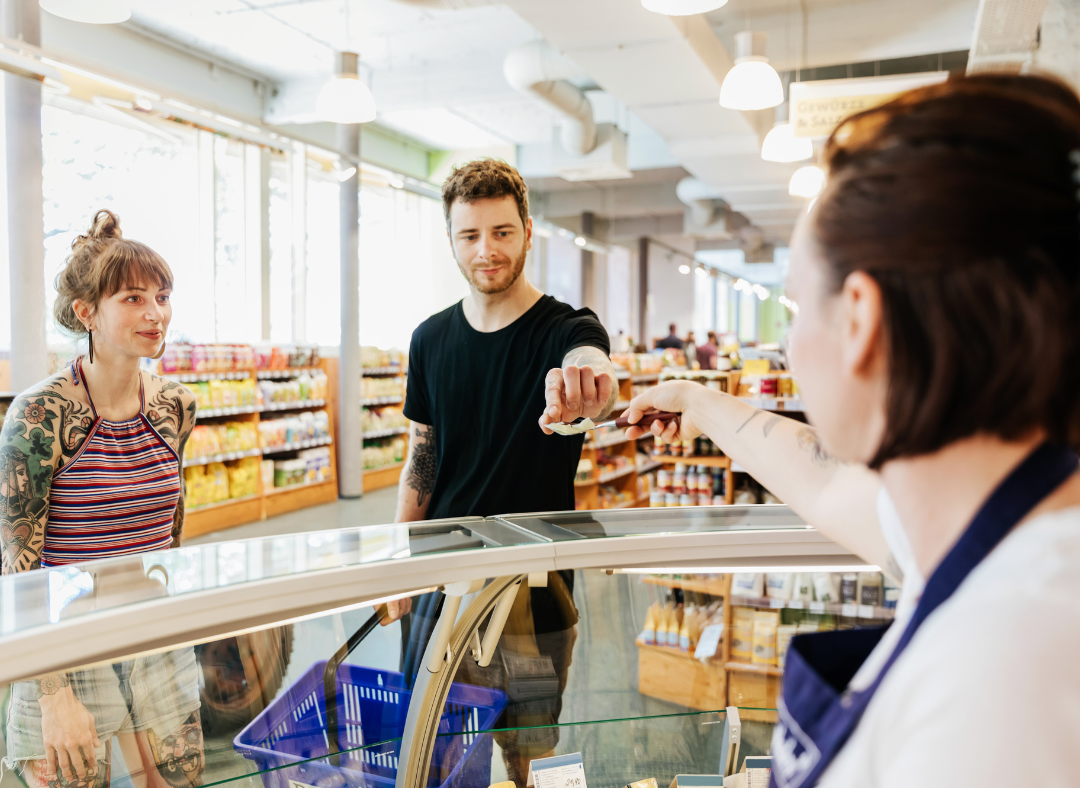
Food sampling is a promotional strategy where consumers are offered free samples of food or beverage products in retail stores events exhibitions or public spaces. The goal is to introduce customers to a product encourage trial and influence purchasing decisions.
Food sampling can be used for new product launches seasonal campaigns product rebranding or increasing awareness for existing products.
Why Sampling Is Effective
Consumers are naturally more likely to trust products they can personally experience. Tasting a product removes uncertainty and allows customers to evaluate flavor quality texture and freshness for themselves.
Unlike traditional advertising food sampling creates real interaction between the customer and the brand which makes the experience more memorable and persuasive.
Building Consumer Trust Through Sampling
Creating Transparency and Confidence
One of the biggest challenges for food brands is gaining consumer trust. Customers want reassurance about the quality and taste of products before spending money.
Food sampling provides transparency by allowing consumers to experience the product firsthand. When customers taste a product and enjoy it they feel more confident about their purchase decision.
Reducing Purchase Hesitation
Many consumers hesitate to buy unfamiliar products especially in crowded retail markets. Sampling removes this hesitation by giving shoppers a risk free opportunity to try something new.
This strategy is particularly effective for premium products innovative flavors or healthier alternatives that customers may not usually purchase without tasting first.
Human Interaction Builds Trust
Food sampling campaigns often involve trained brand representatives who engage directly with consumers answer questions and explain product benefits.
This personal interaction helps brands appear more approachable professional and trustworthy. Customers are more likely to remember positive interactions and develop stronger emotional connections with the brand.
The Impact of Sampling on Sales
Encouraging Immediate Purchases
One of the strongest advantages of food sampling is its ability to generate instant sales. Customers who enjoy a sample are often motivated to buy the product immediately while they are still engaged with the experience.
This creates a direct connection between product trial and purchase behavior.
Increasing Impulse Buying
Food sampling attracts attention and creates excitement within retail spaces. Shoppers who were not originally planning to purchase a product may become interested after trying a sample.
This increases impulse purchases and expands product reach to new audiences.
Supporting Product Launches
Launching a new food product can be challenging especially in competitive retail environments. Sampling campaigns help introduce products quickly and effectively by encouraging consumers to try them without commitment.
This strategy accelerates product awareness and helps brands gather immediate customer feedback.
Enhancing Brand Awareness
Creating Memorable Experiences
People are more likely to remember experiences than advertisements. Food sampling creates direct sensory engagement that strengthens brand recall and customer recognition.
A positive tasting experience can leave a long lasting impression that influences future purchasing decisions.
Generating Word of Mouth Marketing
Consumers who enjoy food samples often share their experiences with friends family or on social media. This organic promotion increases brand visibility and builds credibility through personal recommendations.
Word of mouth marketing remains one of the most trusted forms of advertising in the food industry.
Strengthening Brand Identity
Sampling campaigns allow brands to communicate their values quality standards and unique selling points in a more personal way.
Whether the focus is freshness health convenience or premium ingredients sampling helps reinforce the overall brand image.
The Role of Food Sampling in Retail Environments
Attracting Attention in Busy Stores
Retail stores are filled with competing products and promotional messages. Food sampling stations naturally attract customer attention because they create activity interaction and curiosity.
This increased visibility helps brands stand out in crowded shopping environments.
Supporting In Store Merchandising
Food sampling works best when combined with effective merchandising displays. Attractive product placement promotional signage and branded setups increase engagement and encourage purchases.
Together these strategies create a stronger and more impactful retail presence.
Encouraging Product Discovery
Sampling introduces customers to products they may not have noticed or considered purchasing before. This expands customer awareness and encourages exploration of new flavors categories and brands.
Types of Food Sampling Campaigns
In Store Sampling
This is the most common form of food sampling where products are offered inside supermarkets hypermarkets and retail stores.
In store sampling directly targets shoppers at the point of purchase which increases conversion rates and immediate sales opportunities.
Event Based Sampling
Food brands often participate in exhibitions festivals sports events and community gatherings to distribute samples and connect with larger audiences.
These campaigns help increase brand exposure and reach potential customers outside traditional retail environments.
Mobile Sampling Campaigns
Some brands use mobile food trucks pop up stations or street teams to distribute samples in high traffic public locations.
This approach creates flexibility and allows brands to target specific customer demographics.
Measuring the Success of Sampling Campaigns
Sales Performance
One of the easiest ways to evaluate sampling effectiveness is by measuring sales increases during and after campaigns.
Successful sampling campaigns often generate noticeable improvements in both short term and long term sales performance.
Customer Feedback
Sampling campaigns provide valuable opportunities to collect direct customer feedback about taste packaging pricing and overall satisfaction.
This information helps brands improve products and marketing strategies.
Brand Engagement
Increased social media interactions website traffic and customer inquiries are also indicators of successful sampling efforts.
Positive engagement demonstrates stronger customer interest and awareness.
Challenges in Food Sampling
Operational Costs
Food sampling campaigns require investment in staffing logistics materials and product distribution. Brands must carefully plan budgets to maximize return on investment.
Maintaining Product Quality
Samples must always reflect the highest product quality standards. Poor preparation or presentation can negatively affect customer perception.
Compliance and Safety Standards
Food brands must follow hygiene and safety regulations during sampling activities to protect consumers and maintain trust.
Proper handling storage and cleanliness are essential for successful campaigns.
Best Practices for Effective Food Sampling
Train Brand Representatives
Knowledgeable and friendly staff improve customer interaction and create more positive experiences.
Representatives should understand product details ingredients and brand messaging.
Choose Strategic Locations
Sampling campaigns should take place in high traffic areas where target customers are most likely to engage with the product.
Combine Sampling With Promotions
Offering discounts bundles or limited time offers alongside samples can increase conversion rates and encourage purchases.
Focus on Presentation
Clean attractive and organized sampling stations create stronger visual appeal and attract more attention from shoppers.
The Future of Food Sampling
Technology Driven Experiences
Brands are increasingly using digital tools QR codes and social media integration to enhance sampling campaigns and create interactive experiences.
Personalized Sampling Campaigns
Future strategies may focus more on personalized product recommendations based on customer preferences and shopping behavior.
Sustainability in Sampling
Eco friendly packaging biodegradable materials and waste reduction strategies are becoming more important in modern food sampling campaigns.
Consumers increasingly value brands that prioritize environmental responsibility.
Conclusion
Food sampling remains one of the most effective strategies for building consumer trust increasing brand awareness and driving sales in the food industry. By allowing customers to experience products directly brands can remove hesitation create emotional connections and encourage confident purchasing decisions.
From attracting attention in retail stores to generating word of mouth marketing and supporting product launches food sampling provides measurable value for businesses seeking long term growth.
In a market where consumers demand authenticity quality and memorable experiences food sampling offers brands the opportunity to engage customers in a direct and meaningful way. Companies that invest in well planned and professionally executed sampling campaigns can strengthen customer loyalty improve product visibility and achieve greater success in competitive food markets.