

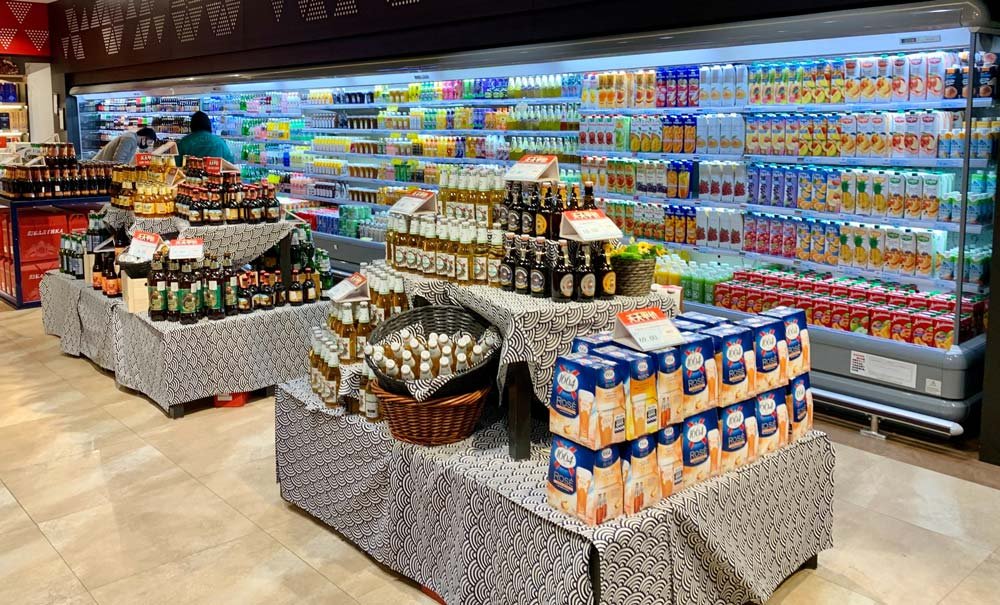
The Power of In-Store Merchandising for Food Product Visibility In today’s competitive retail market food brands are constantly searching for ways to stand out and capture customer attention. Supermarkets hypermarkets and convenience stores are filled with countless products competing for visibility. This is where in store merchandising becomes one of the most powerful tools for increasing product awareness improving customer engagement and driving sales.
Effective merchandising is not only about placing products on shelves. It is about creating an experience that encourages customers to notice interact with and eventually purchase the product. From strategic shelf placement to creative displays and promotional materials every detail can influence buying decisions.
For food brands in particular in store merchandising plays a critical role because consumers often make purchasing decisions within seconds. A well presented product can immediately create trust communicate quality and inspire impulse purchases.
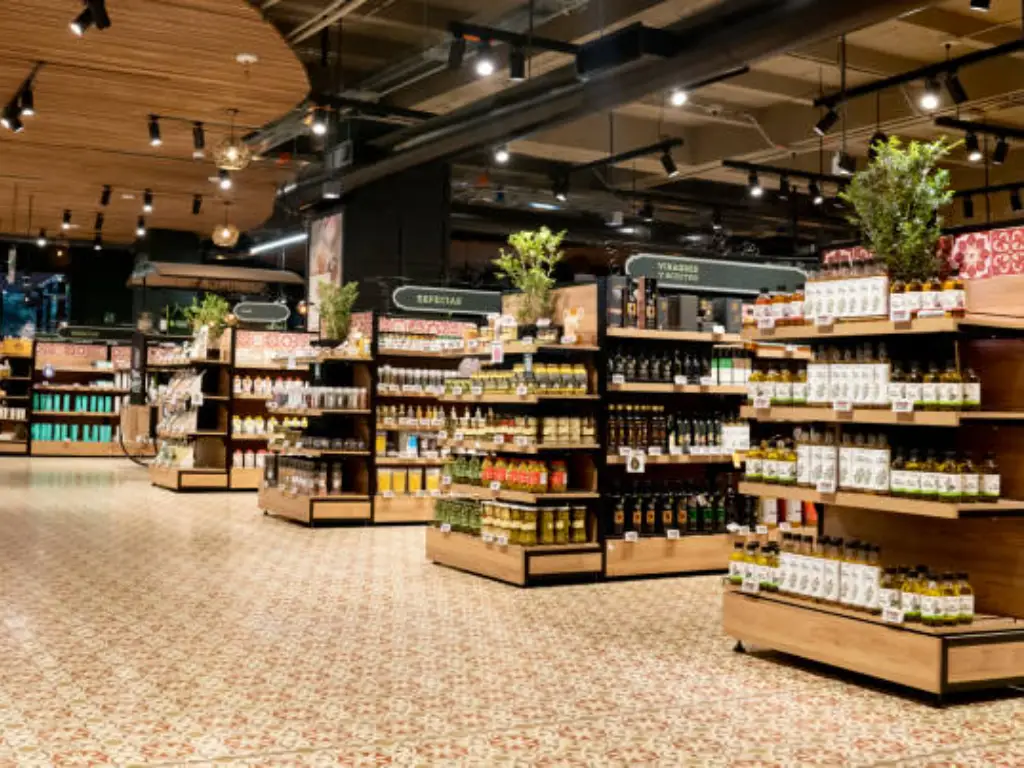
Table of Contents
ToggleUnderstanding In Store Merchandising
What Is In Store Merchandising
In store merchandising refers to the process of displaying and promoting products inside retail environments in a way that attracts customers and increases sales. It includes shelf organization product positioning branded displays promotional signage sampling stations and seasonal campaigns.
The main objective is to improve the shopping experience while making products more visible and appealing to consumers.
Why Merchandising Matters in Food Retail
Food shopping is often emotional and highly visual. Customers are influenced by packaging colors freshness presentation and convenience. Strong merchandising helps brands create a memorable impression that increases the likelihood of purchase.
Retail stores are crowded with options and consumers may overlook products that are poorly displayed. Effective merchandising ensures that products receive the attention they deserve and remain top of mind for shoppers.
How In Store Merchandising Improves Product Visibility
Strategic Shelf Placement
Shelf positioning has a major impact on product visibility. Products placed at eye level are more likely to be noticed and purchased. This is especially important in high traffic areas where customers move quickly through aisles.
Brands that secure premium shelf space can significantly increase product exposure and improve sales performance.
The Importance of Eye Level Placement
Eye level shelves naturally attract customer attention. When products are easy to spot customers spend less time searching and are more likely to make a quick decision.
Products positioned in difficult to reach areas often experience lower engagement even if the product quality is excellent.
End Cap Displays
End cap displays are located at the ends of store aisles and are among the most valuable merchandising spaces in retail stores. These displays attract shoppers as they move through the store and encourage impulse purchases.
Food brands use end caps to promote new launches limited edition items seasonal offers and special discounts.
Cross Merchandising Opportunities
Cross merchandising involves placing related products together to encourage additional purchases. For example displaying sauces next to pasta or beverages near snack items creates convenience for shoppers and increases basket value.
This strategy helps customers discover products they may not have initially planned to buy.
The Role of Branding in Merchandising
Creating a Strong Visual Identity
Strong branding helps products stand out in crowded retail spaces. Consistent colors logos typography and packaging design create recognition and trust among consumers.
Food brands that invest in professional merchandising materials can create a more premium and memorable in store presence.
Building Consumer Trust
Consumers often associate organized and visually appealing displays with quality and reliability. Clean attractive merchandising creates confidence in the product and enhances the brand image.
This is especially important for food products where presentation can influence perceptions of freshness and safety.
Enhancing Customer Experience Through Merchandising
Simplifying the Shopping Journey
Customers appreciate stores that are easy to navigate and products that are clearly displayed. Effective merchandising improves product accessibility and helps shoppers quickly find what they need.
A positive shopping experience increases customer satisfaction and encourages repeat purchases.
Encouraging Product Discovery
Creative merchandising introduces customers to new products flavors and promotions. Eye catching displays and informative signage can inspire curiosity and motivate shoppers to try something different.
This is particularly valuable for launching innovative food products into competitive markets.
The Impact of Food Sampling on Merchandising Success
Combining Visibility With Experience
Food sampling is one of the most effective merchandising strategies because it allows customers to experience the product directly. Sampling builds confidence by giving consumers the opportunity to taste quality freshness and flavor before purchasing.
Driving Immediate Purchases
Customers who enjoy a product sample are more likely to purchase the item immediately. Sampling creates emotional engagement and can turn first time shoppers into loyal customers.
When combined with strong merchandising displays sampling campaigns can dramatically improve sales performance.
Technology and Modern Merchandising Strategies
Digital Displays and Interactive Experiences
Modern retailers increasingly use digital screens interactive kiosks and QR codes to enhance product visibility and customer engagement.
These technologies provide additional product information recipes promotions and brand stories that enrich the shopping experience.
Data Driven Merchandising
Retail data helps brands understand customer behavior shopping patterns and product performance. Businesses can use this information to optimize product placement promotional timing and merchandising strategies.
Data driven decisions improve efficiency and maximize return on investment.
Challenges in In Store Merchandising
Competition for Space
Retail shelf space is limited and highly competitive. Brands must continuously innovate and maintain strong retailer relationships to secure premium positions.
Maintaining Consistency Across Locations
Large retail networks require consistent execution across multiple stores. Inconsistent displays can weaken brand identity and reduce campaign effectiveness.
Professional merchandising teams help ensure uniform presentation and quality standards.
Adapting to Consumer Trends
Consumer preferences constantly evolve and brands must adapt quickly. Health conscious products sustainable packaging and convenience driven solutions are becoming increasingly important in food retail.
Successful merchandising strategies reflect current market trends and customer expectations.
Best Practices for Effective Food Merchandising
Focus on Visual Appeal
Attractive displays capture attention and encourage interaction. Using bold colors organized layouts and clear messaging can make products more appealing to shoppers.
Keep Displays Well Stocked
Empty shelves create negative impressions and result in lost sales opportunities. Maintaining stock availability is essential for merchandising success.
Use Clear Communication
Customers should easily understand product benefits pricing and promotions. Simple messaging and informative signage improve customer confidence and decision making.
Train Merchandising Teams
Skilled merchandising teams understand consumer behavior retail environments and brand standards. Proper training ensures better execution and stronger results.
The Future of In Store Merchandising
Personalization in Retail
Future merchandising strategies will focus more on personalized shopping experiences. Retailers may use technology and customer insights to deliver targeted promotions and product recommendations.
Sustainability and Eco Friendly Displays
Consumers increasingly value sustainability and environmentally responsible brands. Retail merchandising is evolving to include recyclable materials energy efficient displays and sustainable packaging solutions.
Omnichannel Integration
Modern consumers move between online and offline shopping experiences. Successful brands create consistent merchandising strategies that connect physical stores with digital platforms and social media campaigns.
Conclusion
In store merchandising remains one of the most powerful tools for increasing food product visibility and driving consumer engagement. In a competitive retail environment brands must do more than simply place products on shelves. They need to create attractive memorable and customer focused experiences that encourage interaction and build trust.
From strategic shelf placement and eye catching displays to food sampling and digital engagement merchandising directly influences purchasing decisions and brand perception. Businesses that invest in strong merchandising strategies can improve visibility strengthen customer loyalty and achieve long term growth.
For food brands aiming to succeed in modern retail environments effective in store merchandising is no longer optional. It is an essential part of building brand awareness increasing sales and creating meaningful connections with consumers.