

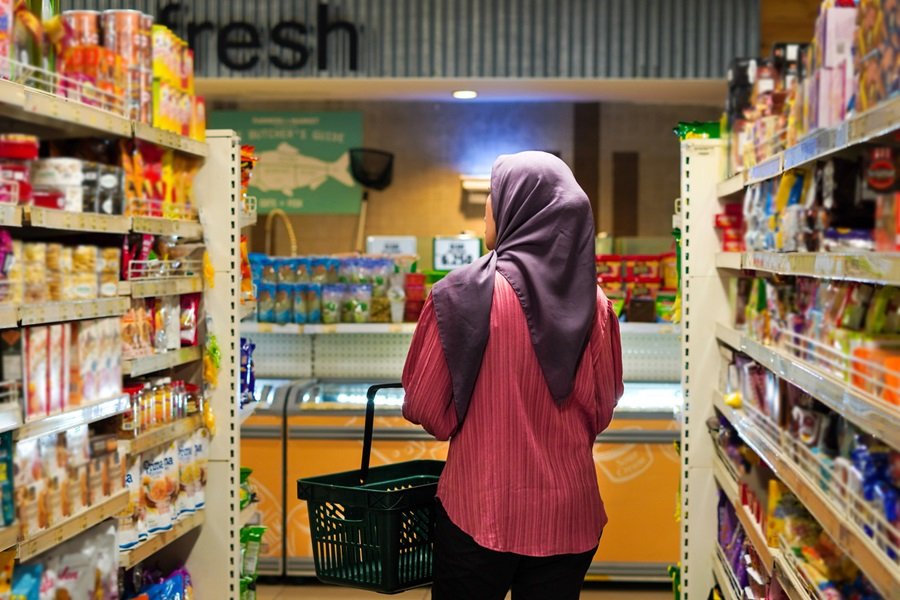
The Role of Food Merchandising in Boosting Retail Sales Across the UAE Walk into any hypermarket in Dubai or Abu Dhabi on a busy weekend and you will notice something the average shopper rarely thinks about: every shelf, every end-cap, and every chilled display has been carefully planned. That planning is called food merchandising, and it is one of the most underrated growth levers available to brands and retailers in the UAE market today.
What Food Merchandising Actually Means
Food merchandising is far more than stacking products neatly. It is the discipline of presenting food and beverage items in a way that captures attention, communicates quality, and nudges a shopper toward a purchase decision within seconds. In a market as competitive as the UAE, where hypermarkets carry thousands of SKUs, the way a product is displayed can matter as much as the product itself.
The discipline sits at the intersection of retail science and everyday shopper psychology. A category manager may decide where a product sits on a planogram, but it is the merchandiser on the ground who ensures that decision is executed faithfully, day after day, across dozens of stores that never behave quite the same way twice. This ongoing, hands-on layer of execution is often what separates a brand that consistently performs from one that simply looks good in a head-office presentation.
Why It Matters More in the UAE Than Elsewhere
The UAE retail landscape is unusually dense and diverse. A single mall may host a hypermarket, several specialty grocers, and dozens of quick-service outlets, all competing for the same footfall. Add a highly multicultural consumer base with different taste expectations, and brands quickly realize that a generic display strategy will not work everywhere.
A Market Built on First Impressions
Shoppers in the UAE are used to premium retail environments. Bright, clean, well-lit displays are the baseline expectation, not a bonus. Products that look tired, disorganized, or poorly rotated are quickly passed over, regardless of taste or price.
The Direct Link Between Display and Sales
Retail studies consistently show that end-cap placements, eye-level positioning, and secondary displays can lift sales of a single product line by a significant margin compared with standard shelf placement. For fresh and ready-to-eat categories specifically, presentation also signals freshness, which is the single biggest purchase driver in this segment.
Core Elements of an Effective Merchandising Program
A strong merchandising program is not a one-time set-up. It is an ongoing cycle of planning, execution, and monitoring that keeps a brand’s presence sharp week after week.
Shelf Planning and Planogram Compliance
Every category has a planogram, a data-backed map of where each product should sit based on sales velocity, margin, and shopper behavior. Field merchandisers visit stores regularly to confirm that planograms are followed, correcting gaps left by fast-moving stock and removing near-expiry items before they damage brand perception.
Stock Rotation and Freshness Management
For perishable and ready-to-eat products, rotation discipline is critical. A first-in-first-out approach protects both the retailer’s shelf life targets and the shopper’s confidence that what they are buying is genuinely fresh.
Daily Checks That Prevent Costly Mistakes
Simple daily routines, checking dates, wiping chillers, restocking gaps, and reporting damaged packaging, prevent the small issues that quietly erode sales over time. These checks are often the difference between a category that grows steadily and one that stagnates.
In-Store Visibility and Point-of-Sale Materials
Shelf talkers, price cards, and seasonal signage give brands a voice at the exact moment a shopper is deciding. Coordinated visibility across multiple stores also reinforces brand recognition, which matters when a shopper is comparing several similar products side by side.
How Professional Merchandising Partners Add Value
Many brands, especially those growing quickly across the UAE, do not have the internal bandwidth to manage in-store execution across dozens or hundreds of outlets. This is where a dedicated merchandising and retail solutions partner becomes valuable.
Consistency Across Multiple Retail Formats
From hypermarkets to independent grocers, a merchandising partner ensures the same brand standards are applied everywhere, regardless of store size or location. This consistency builds trust with both retail buyers and end consumers.
This matters because shoppers do not distinguish between a brand’s flagship hypermarket presence and its presence in a smaller neighborhood store, they simply expect the same product, the same freshness, and the same shelf standard wherever they happen to be shopping that day. A single inconsistent visit can quietly undo the trust built by dozens of well-executed ones elsewhere.
Data-Driven Reporting
Modern merchandising teams do not just stock shelves; they report back on stock levels, competitor activity, pricing changes, and display compliance. This feedback loop helps brands make faster, better-informed decisions about promotions and production planning.
Building a Merchandising Strategy That Works for Your Brand
Whether you are a food producer entering the UAE for the first time or an established brand looking to sharpen your retail presence, a few practical steps make a measurable difference.
Start With the Right Store Mix
Not every outlet delivers the same return. Prioritizing high-traffic hypermarkets and stores that match your target shopper profile ensures merchandising resources are spent where they matter most.
Invest in Trained Field Teams
Merchandisers who understand food safety, category management, and shopper psychology deliver far more value than staff simply filling gaps on a shelf. Training and consistency across the team protect brand reputation at every visit.
Final Thoughts
In a market where shoppers make split-second decisions surrounded by competing products, food merchandising is not a supporting activity, it is a core sales channel. Brands that invest in disciplined, well-executed in-store presence consistently outperform those that leave shelf presentation to chance. For companies looking to grow across the UAE’s hypermarkets, schools, and hospitality outlets, partnering with an experienced merchandising and retail solutions provider is one of the most practical ways to protect and grow market share.
As retail formats continue to diversify across the Emirates, from traditional hypermarkets to smaller neighborhood grocers and specialty food halls, the brands that treat merchandising as an ongoing investment rather than an occasional task will be the ones that hold their ground on shelf, and in the minds of shoppers, over the long term.
Comments are closed